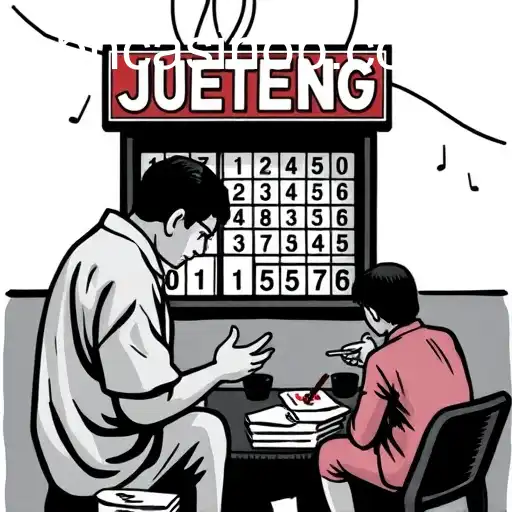
The Intricate World of Jueteng
Jueteng is a pervasive and controversial numbers game that has deeply entrenched itself within Philippine culture. Despite its illegal status, it continues to thrive, reflecting the complex interplay between tradition, economics, and the ever-evolving landscape of gambling practices in the nation. Jueteng’s persistence is intertwined with the broader dynamics of the casino industry, including the influence of ph casino operations.
Understanding Jueteng
Jueteng has its roots deeply tied to the history and culture of the Philippines. Originating during the Spanish colonial period, this numbers game can be likened to a lottery, involving the daily draw of numbers ranging from one to thirty-seven. Participants place small bets on their chosen numbers, hoping to predict two winning numbers corresponding to the draw. Despite being outlawed, Jueteng is deeply rooted in communities, especially in rural and suburban areas, partly due to the affordability and accessibility of placing bets.
The mechanics of Jueteng are relatively simple. Bettors write their chosen two-number combinations on pieces of paper, called listahan, and hand them to cobradores or collectors. These collectors then forward the bets to cabos, who are responsible for collecting and recording the numbers. The entire operation is overseen by a central figure, known as the jueteng lord, who ensures the smooth running of operations and resolves logistical concerns.
The Allure and Challenges of Jueteng
The simplicity and low cost of participation make Jueteng appealing to many Filipinos. Additionally, it offers a commendable reward to those who are fortunate, with payout rates as high as 1:40 or more, depending on the operational dynamics of the respective betting network. However, Jueteng does not exist in a vacuum. It thrives due to complex socioeconomic factors, including high poverty levels and the lack of economic opportunities in certain regions. For some communities, participating in Jueteng becomes an informal source of livelihood, or at the very least, a temporary escape from economic hardships.
Yet, the illegal nature of the game poses significant challenges. Law enforcement agencies often launch crackdowns on Jueteng operations, disrupting local economies and impacting the lives of people involved in the network. Corruption also flourishes in the shadows of Jueteng, as certain local officials and police officers are alleged to be complicit, benefiting from payoffs in exchange for protection or simply turning a blind eye.
Ph Casino’s Role in Gambling Culture
Parallel to the world of Jueteng is the burgeoning ph casino industry. Over recent years, casinos have become a significant part of the Philippine economy, contributing to tourism and providing substantial employment opportunities. These legal gambling establishments represent the modern, regulated facet of gambling in the Philippines, contrasting sharply with the informal and illegal Jueteng operations.
The casino industry in the Philippines has grown rapidly. The establishment of entertainment hubs such as the Entertainment City in Manila has attracted both domestic and international players. These integrated resorts feature luxurious hotels, state-of-the-art gaming facilities, and entertainment options, aligning with global casino trends. The influx of foreign investments has led to the creation of job opportunities and has had a substantial positive impact on the country's GDP.
Intersections Between Jueteng and Ph Casino
While Jueteng and ph casino operations seem worlds apart, there exist intriguing intersections and contradictions. Both serve as avenues of gambling, yet they operate under vastly different legal and economic frameworks. Jueteng’s appeal often lies in its informality and cultural intrinsicness, while casinos offer a regulated, sophisticated environment primarily directed at affluent clients and tourists.
Interestingly, the growth of the casino industry in the Philippines and its attempt to cater to a global audience may influence Jueteng indirectly. The presence of legalized gambling provides pathways for gamblers who might otherwise revert to illegal means. Conversely, the persistent allure of Jueteng reflects challenges in fully embracing legalized gaming, largely due to the enduring cultural and social ties that bind many to traditional betting practices.
Potential Future of Gambling in the Philippines
As the Philippine government grapples with finding a balance between nurturing its legal casino industry and providing opportunities for responsible gambling, there remains a complex debate over the potential legalization or incorporation of illegal numbers games like Jueteng into the regulated sector. Proponents argue that formalizing Jueteng could curb the associated problems of corruption and crime, while opponents fear it may normalize illegal practices.
Ultimately, the future landscape of gambling in the Philippines requires nuanced approaches that consider the socioeconomic realities of diverse populations, the preservation of cultural practices, and the implementation of effective regulatory frameworks. The journey between the thriving world of ph casinos and that of Jueteng is far from over, continually reflecting and shaping the gambling culture within the country.